


Why Lift Planning Matters on Restricted Access Crane Hire Projects

Not every lifting task happens on a wide-open site.
In many cases, crane hire projects involve tight access, limited setup space, nearby buildings, poor ground conditions, road restrictions or live working environments. That is where proper lift planning becomes essential.
For DSM, lift planning is not just a box-ticking exercise. It is what allows the right crane, team and method to be chosen before anything arrives on site.
Understanding the Site Before the Lift

Restricted access projects often come with challenges that are not always obvious at first glance.
A site may have narrow entrances, low headroom, underground services, fragile ground, live pedestrian routes or limited space for outriggers. Without proper planning, these issues can cause delays, added costs or safety concerns on the day of the lift.
A detailed site review helps identify:
Access routes
Crane positioning
Ground conditions
Underground services
Lift radius
Load weight and dimensions
Landing area
Traffic management requirements
Choosing the Right Crane for the Task
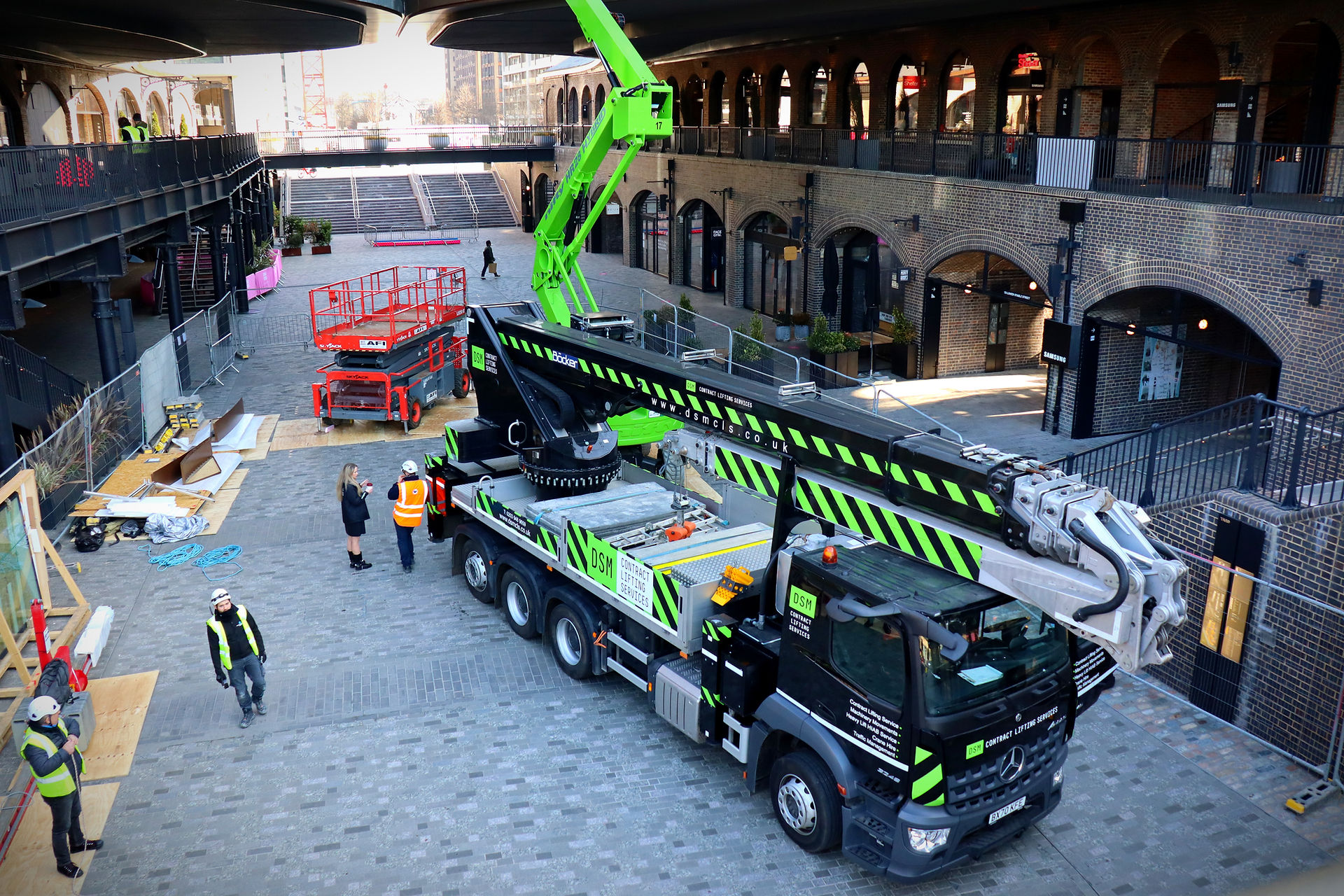
Restricted access crane hire is not always about using the biggest crane available.
DSM - Crane Hire London 
London Crane Hire 
DSM contract lifting
Often, the better solution is choosing equipment that can work safely within the available space. This could mean using a compact mobile crane, Böcker crane, HIAB with fly jib, spider crane or specialist lifting equipment depending on the task.
The right choice can reduce disruption, improve efficiency and help keep the project moving safely.
Why Ground Conditions Matter
Ground conditions are a major part of lift planning.
Before a crane is set up, the team needs to understand whether the ground can safely support the load, including the crane, outriggers and lifted item. On restricted sites, load spreading and outrigger matting may be required to create a safe working platform.
This is especially important on city centre projects, industrial sites, construction sites and locations with underground services.
Managing Space, Access and Live Environments
Many crane hire projects across London, Essex and Cambridge take place in live environments where other works are continuing around the lift.

This can include construction teams, pedestrians, vehicles, building occupants or other contractors working nearby.
Lift planning helps manage these risks by setting out clear lifting zones, exclusion areas, communication methods and sequencing before the operation begins.
Contract Lifting and Planning Responsibility
There is an important difference between crane hire and a fully managed contract lift.
With contract lifting, DSM can take responsibility for the planning and management of the lifting operation, including lift plans, RAMS, appointed person support, crane selection and coordination on site.
For more complex or restricted access projects, this can give clients greater confidence that the lift has been properly planned from start to finish.
Restricted Access Crane Hire Across London, Essex and Cambridge
DSM supports crane hire and contract lifting projects across London, Essex, Cambridge and the wider South East.
Our team regularly works on restricted access lifting tasks including:
Rooftop plant lifts
Steel installation
Glass installation
Chiller and generator lifts
Plant movement
Basement and internal equipment movements
Urban crane hire projects
Live construction sites
Whether you need crane hire in London, crane hire in Essex or crane hire in Cambridge, proper lift planning helps ensure the task is carried out safely, efficiently and with the right equipment for the site.
Need Support With a Restricted Access Lift?
If you are planning a lift where space, access or ground conditions may be an issue, speak to the DSM team early.
We can help assess the task, advise on the right lifting approach and provide crane hire or full contract lifting support where required.
📞 0203 948 9659

Comments